If you follow my blog, you know that my daughter-in-law asked me to bring a loaf of my homemade challah for Christmas, but here’s the rest of the story:
Challah tastes best if you eat it the same day you make it. By the next day, it is still good, but the quality falls sharply after that. So, if you aren’t going to eat it by the next day after baking, you need to freeze it and keep it frozen until you are ready to enjoy it. That presents a dilemma when it is made in Virginia on a Monday and it won’t get to Boston until Friday. My son suggested we get some dry ice to keep it frozen on our drive up.
Having never bought dry ice before, we were clueless as to where we could even procure any, but just in case it was easier to find than we anticipated, my husband went looking for it in our local grocery store. Eureka! The Wednesday before Christmas we packed our car for our departure at the crack of dawn on Thursday, then headed to the store for the dry ice. I waited in the car while my husband went in to make the purchase. He came out carrying two plastic bags of dry ice and wearing a perturbed expression.
“I can’t believe how expensive this stuff is,” he said as he got in the car. “This cost nearly $20.”
“Yikes! You shouldn’t have bought it,” I said.
“The sign said it was only 99 cents a pound. I didn’t think it was that heavy. I was already at the register and didn’t want to make a scene. Besides, this is for our daughter-in-law. She’s worth it.”
When we got home, we read the directions on how to use dry ice, and were a little nervous about all the precautions. They said not to put it in a container that was airtight because the build-up of carbon dioxide it releases as it melts could cause the container to explode. Was the cooler airtight? Who knows? But how else would we transport it? Visions of the trunk exploding on our way up to Boston unfolded in our heads.
The directions also said not to let the ice come in contact with the food because it could cause freezer burn. If we wanted to keep something frozen, we needed to put the dry ice on top of it, but if we merely wanted to keep something cold, we should put the ice beneath it. How would we keep the ice from touching the bread? My husband had the perfect idea. We would put cans of soda in the corners of the cooler to hold the ice above the bread without touching it. It was almost perfect, except we needed something in the middle for support. I had the perfect idea this time. We would sacrifice the fruit cake we had been gifted. It proved to be the perfect size.
At every stop we made on the long drive up the East Coast, we opened the cooler to let the carbon dioxide out, just in case. We noticed on our first stop that all the sodas had frozen and the cans had split. Dry ice works fast! We also found that our sandwiches, which we had placed in a tray at the top of the cooler, had frozen. But the challah made it all the way to Boston in its frozen state.
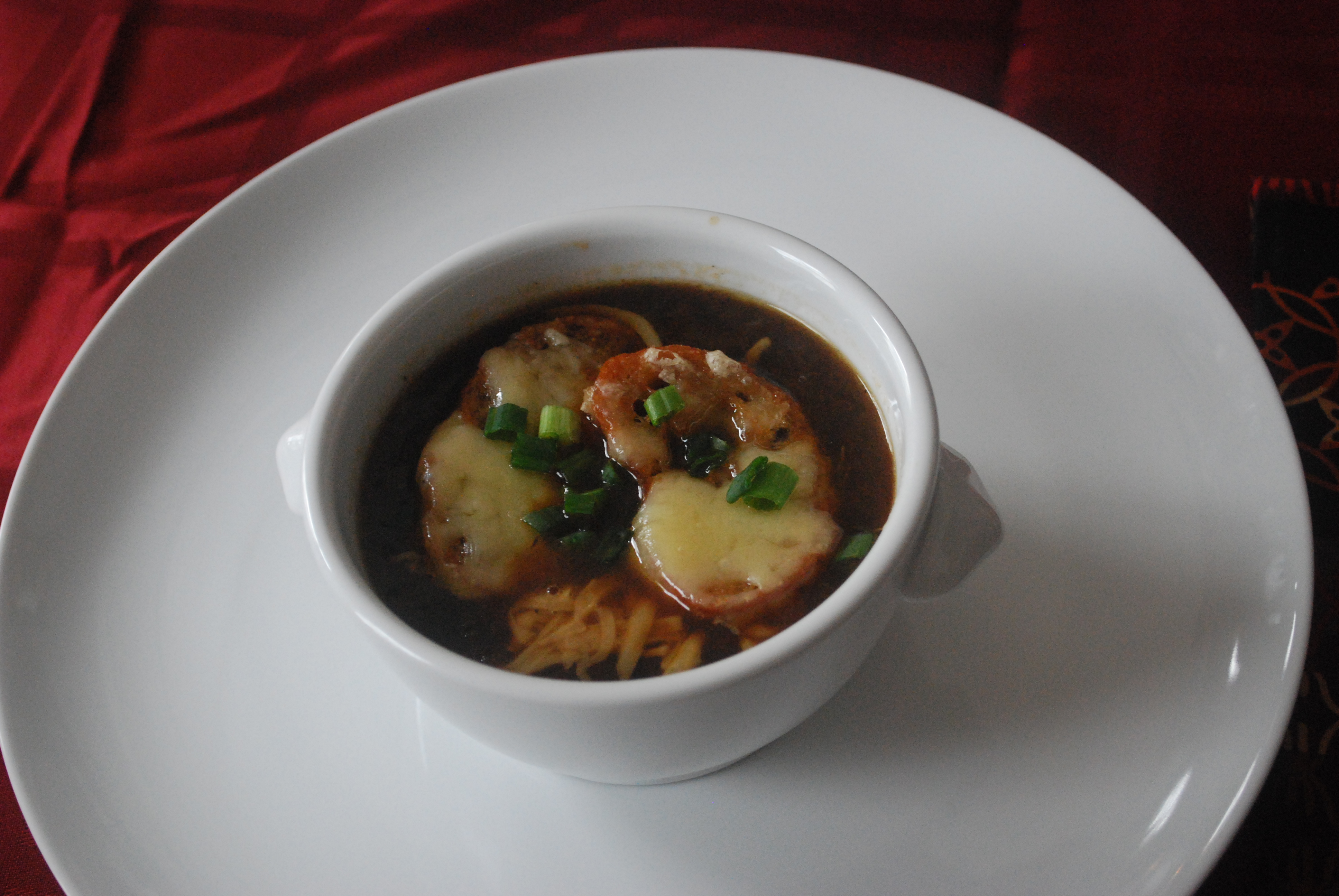
As an addendum to this tale of sacrifice, I’d like to add that my precious daughter-in-law peeled and chopped four pounds of onions on Christmas Eve to make the most perfect French onion soup imaginable for Christmas Day.  The copious amount of onions emitted such strong fumes that my son, stepping into the kitchen, had to turn around and make a quick exit as his eyes began to water immediately. What a wonderful labor of love from my daughter-in-law besides all the other fabulous dishes she prepared for us to make the day a gourmet extravaganza. And I can attest to the pungency of those onions because I sat there in the kitchen the whole time she peeled and chopped them, tears streaming down my face, so I could keep her company. What we do for love.

 You’ve done it yourself. I know you have. You’ve taken a look at your home and decided you needed to update it or change it in some way. You started by dreaming big. Really big. You think about getting a contractor and tearing down a wall or two, putting in heated tile floors in the bathroom and a jacuzzi, the Viking stove in the kitchen, even though you don’t have gas (how much could it cost to have gas lines installed. Is that even possible?). And then you start estimating the cost. You look in your piggy bank, and your dreams shrink. It’s like you want the Mercedes CLS 550, but you buy the Hyundai Sonata.
 Last weekend we began by pulling off the dated wallpaper and scrubbing the walls down to remove the wallpaper paste. During the week, my husband taped and floated and put layers upon layers of spackle on the walls. This past weekend we sanded, put primer on the walls, and finally painted the walls with a soft yellow. It has been exhausting, but already the kitchen looks so much better.





 Coming East